

In industries where storage tanks play a crucial role, efficiency and safety are top priorities. Whether it’s for oil, gas, or other liquids, keeping a close watch on tank levels and conditions is vital. Effective tank monitoring provides real-time insights, ensuring operational efficiency and preventing potential hazards. With advanced tank monitoring services, businesses can optimize inventory management, reduce costs, and enhance safety measures.
Table of Contents
The Importance of Tank Monitoring
Industries that depend on large storage tanks require efficient solutions to track fluid levels, detect leaks, and ensure timely refills. By implementing tank monitoring, businesses can replace manual inspections with automated services, reducing errors and enhancing operational efficiency.

Stay in Control with Smart Tank Monitoring
Ensure a steady fuel supply with real-time tank monitoring. Track levels, prevent runouts, and optimize refills effortlessly. Stay ahead with reliable insights—monitor your tank today!
Enhancing Safety and Compliance
Oil tank monitoring plays a crucial role in maintaining safety standards. Unchecked leaks or overfills can result in severe environmental and financial consequences. Advanced oil tank monitoring solutions detect issues early, preventing accidents and ensuring regulatory compliance. Industries handling hazardous materials must adopt these systems to avoid legal penalties and safeguard the environment.
Optimizing Inventory Management
Real-time tank monitoring helps industries maintain proper inventory levels. By tracking fluid levels continuously, businesses can prevent shortages and excessive stockpiling. This approach lowers operational costs and enhances supply chain management. Automated monitoring systems enable better planning for refills, ensuring an uninterrupted supply of resources.
Reducing Operational Costs
Manual monitoring of oil tanks is time-consuming, costly, and prone to human error. Automated tank monitoring solutions reduce labor costs and provide precise data on fluid levels. This helps businesses optimize inventory purchases, minimizing waste and unnecessary expenditures. By streamlining operations, companies can improve efficiency and profitability.
How Tank Monitoring Works
Modern tank monitoring solutions use IoT technology and advanced sensors to gather real-time data. These systems generate alerts and reports, enabling businesses to make informed decisions and enhance efficiency.
- Sensors and Devices: Installed inside tanks, these sensors measure fluid levels, temperature, and pressure to ensure accurate readings.
- Data Transmission: The collected information is sent to a centralized system through wireless or wired connections for seamless monitoring.
- Analytics and Alerts: AI-driven analytics predict usage trends, while automated alerts notify operators of anomalies or potential issues.
- Remote Monitoring: Businesses can access real-time data from anywhere using web portals or mobile apps, ensuring continuous oversight.
Applications of Tank Monitoring
Oil and Gas Industry
Oil tank monitoring is crucial in the energy sector. Accurate measurements prevent costly spills and ensure compliance with industry regulations. Companies dealing with fuel storage benefit from real-time tank monitoring, preventing losses due to leaks or theft. Additionally, automated systems enhance operational efficiency by optimizing refilling schedules.
Industrial Manufacturing
Many manufacturing plants store raw materials in tanks. Monitoring these tanks prevents production delays by ensuring a consistent supply of necessary fluids. Automated tank monitoring services also help track chemical levels, reducing safety risks. With real-time tracking, manufacturers can improve resource management and reduce waste.
Choosing the Right Tank Monitoring Services
Selecting a reliable tank monitoring provider is crucial. Here are key factors to consider:
- Technology and Features: Ensure the system includes real-time alerts, remote access, and predictive analytics to enhance efficiency and prevent potential issues.
- Scalability: Choose a solution that can be expanded as business needs grow, allowing for long-term usability and cost-effectiveness.
- Integration: The monitoring system should integrate with existing infrastructure for seamless operations, reducing implementation challenges.
- Customer Support: Reliable support ensures issues are addressed promptly, minimizing downtime and ensuring continuous operation.
The Future of Tank Monitoring
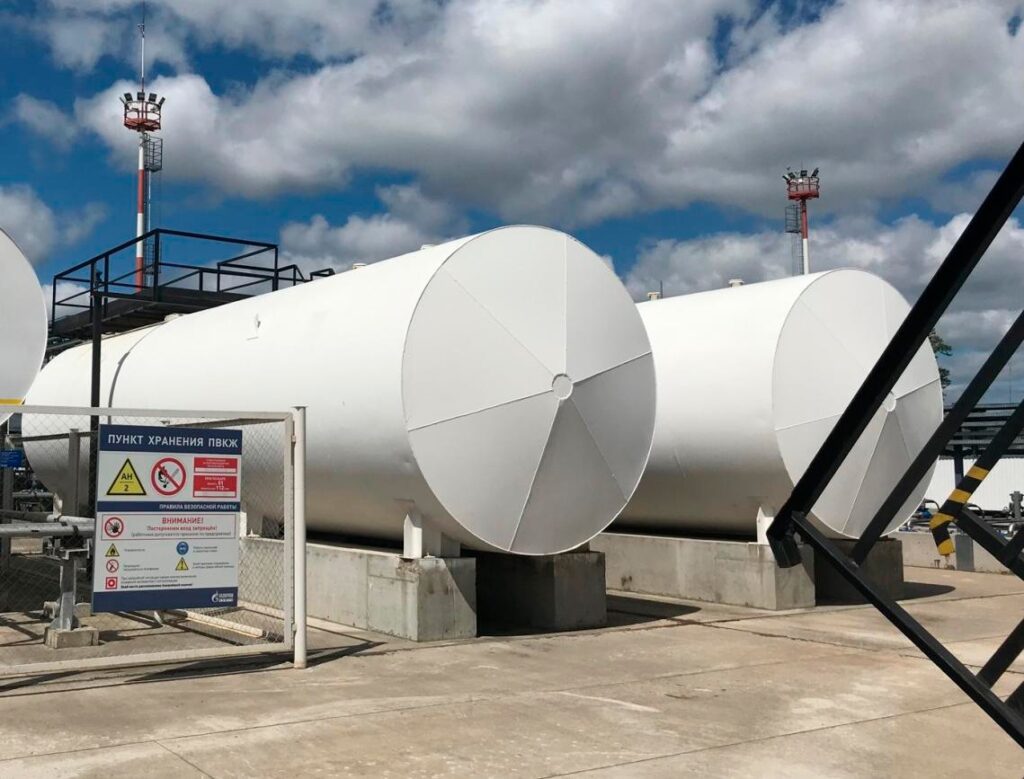
As technology advances, tank monitoring continues to evolve. AI and machine learning are enhancing predictive maintenance, reducing downtime, and improving efficiency. Future trends in oil and gas tank monitoring include drone-assisted inspections and blockchain-based inventory tracking. These innovations will further enhance safety, accuracy, and cost-effectiveness in tank management.
FAQs
What is tank monitoring, and why is it important?
Tank monitoring involves tracking fluid levels and conditions in storage tanks using sensors and remote technologies. It ensures operational efficiency, prevents leaks or spills, and helps businesses maintain optimal inventory levels while complying with regulations.
How does oil tank monitoring enhance safety?
Oil tank monitoring enhances safety by providing real-time alerts for leaks, overfills, and pressure fluctuations. This helps prevent hazardous situations, protects the environment, and ensures compliance with industry safety standards.
What industries benefit from tank monitoring services?
Industries such as oil and gas, manufacturing, agriculture, benefit from tank monitoring. These sectors rely on accurate monitoring to optimize storage, prevent contamination, and improve overall operational efficiency.
Can tank monitoring reduce operational costs?
Yes, tank monitoring reduces operational costs by eliminating the need for manual inspections, minimizing waste, and optimizing refill schedules. Businesses can cut down on unnecessary expenses while improving resource management and reducing downtime.
What features should I look for in tank monitoring companies?
When choosing a tank monitoring company, look for real-time alerts, remote access via mobile or web platforms, integration with existing systems, scalability for future expansion, and strong customer support. These features ensure seamless operation and long-term efficiency.
Conclusion
Tank monitoring is a critical aspect of efficient industrial operations. It enhances safety, optimizes inventory, and reduces costs by providing real-time data. Businesses in the oil and gas industry, manufacturing, and waste management can significantly benefit from advanced tank monitoring solutions. By adopting modern monitoring services, companies can improve operational efficiency, ensure regulatory compliance, and prevent financial losses.