

Finding out your dog needs surgery is one of those moments that stops you in your tracks. Whether it is a planned spay or neuter, a mass removal, or something more urgent like a foreign body extraction, the moment your vet says the word surgery, most owners feel a mix of worry, confusion, and a dozen half-formed questions they cannot quite get out before the appointment ends.
Table of Contents
- Questions About the Procedure Itself
- Questions About Anesthesia and Safety
- Questions About Your Dog’s Specific Risk
- Questions About Recovery
- Questions About the Practical Details
- FAQs
- Should I get a second opinion before my dog’s surgery?
- Can I stay with my dog until they go under anesthesia?
- What if my dog eats something the morning of surgery by accident?
- How do I know if my dog is in pain after surgery if they are not crying?
- Is it normal for my dog to be very quiet after surgery?
- The Right Questions Make Every Surgical Experience Better
That feeling is completely normal. Surgery involves anesthesia, recovery time, and a level of clinical complexity that goes beyond a standard vet visit. It makes sense to want to understand what is happening before you hand your dog over and drive home to wait.
The good news is that asking the right questions before dog surgery in Encino is one of the most useful things you can do as an owner. It gives you a clear picture of what to expect, helps you prepare your dog properly, and makes the recovery period far less stressful because you already know what normal looks like.
This guide covers the questions worth asking, why each one matters, and what good answers look like so you can walk into the pre-surgical conversation feeling prepared rather than overwhelmed. If you want to speak with a team that welcomes these questions before any procedure begins, dog surgery is available at Encino Pet Hospital and Emergency seven days a week.
Questions About the Procedure Itself
The first category of questions is about what is actually going to happen during the surgery. These sound basic but they are often the ones owners feel least comfortable asking, either because they do not want to seem uninformed or because the appointment is moving quickly and there does not seem to be a natural moment.
There is always a natural moment. A good surgical team expects these questions and welcomes them.
What exactly does the procedure involve?
Ask your vet to explain the procedure in plain language. Not the technical name, but what actually happens. Where is the incision made? What is being removed, repaired, or corrected? How long does the procedure typically take? You do not need to understand every surgical detail, but having a clear mental picture of what your dog is going through helps enormously when you are waiting for a call afterward.
Is this procedure routine or complex?
There is a meaningful difference between a spay in a healthy young dog and an abdominal exploratory in a senior dog with multiple health concerns. Asking where your dog’s procedure sits on that spectrum gives you a realistic sense of the risk level involved and what level of post-surgical monitoring to expect.
Are there any alternatives to surgery?
In some cases surgery is the only appropriate treatment. In others there are alternatives worth discussing, such as medication management for certain joint conditions or a watch-and-wait approach for certain masses. Asking the question does not mean you are trying to avoid necessary treatment. It means you are making an informed decision rather than an assumed one.
Questions About Anesthesia and Safety
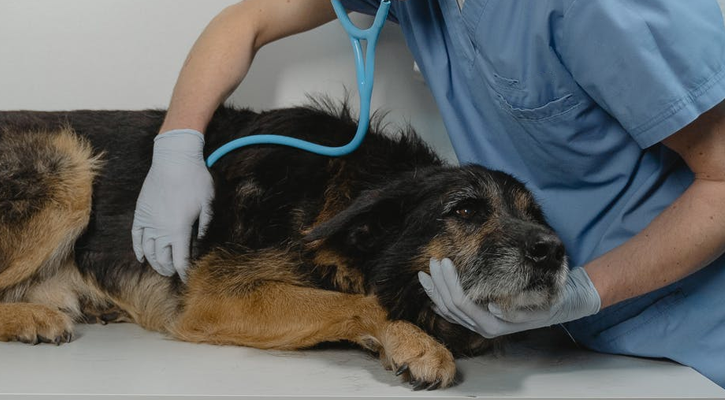
Anesthesia is the part of surgery that worries most dog owners the most, and it is the area where asking specific questions makes the biggest difference to your peace of mind.
What pre-anesthetic testing will be done?
Pre-anesthetic bloodwork is standard practice at a reputable surgical practice and evaluates organ function, blood cell counts, and key metabolic markers before any anesthetic agent is administered. This matters because it catches conditions that would affect anesthetic choice or increase risk, and it provides a baseline to compare against if values change during recovery. Ask specifically whether bloodwork is included in the surgical estimate or billed separately.
How is anesthesia monitored during the procedure?
Modern anesthetic monitoring covers heart rate, respiratory rate, blood pressure, blood oxygen levels, body temperature, and in many cases an ECG. Ask whether a dedicated technician monitors your dog throughout the procedure or whether monitoring is divided between the surgeon and other tasks. A dedicated anesthetic monitor is the standard of care for any procedure beyond the most minor.
What anesthetic protocol will be used for my dog specifically?
Anesthetic protocols should be tailored to the individual patient based on age, breed, weight, health status, and the specific procedure being performed. Brachycephalic breeds like Bulldogs and Pugs have airway considerations that change the protocol. Senior dogs require different drug choices from young adult dogs. A practice that uses the same protocol for every patient regardless of individual factors is not practicing at the same standard as one that individualizes.
Questions About Your Dog’s Specific Risk
Every dog brings their own health history to a surgical procedure, and the questions in this section are the ones that connect the general information above to your specific animal.
Is my dog a good candidate for this procedure given their current health?
If your dog has a pre-existing condition, is on any medications, or is older than average for a surgical patient, this question opens the conversation about how those factors are being accounted for in the surgical plan. A good answer addresses the specific factors relevant to your dog rather than offering a generic reassurance that everything will be fine.
Are there any breed-specific risks I should know about?
Certain breeds have documented surgical and anesthetic risks that a knowledgeable vet will raise proactively. Greyhounds metabolize certain anesthetic agents differently. Brachycephalic breeds have airway risks during intubation and recovery. Giant breeds have different pain management needs from small breeds. If your vet does not raise breed-specific considerations for a breed known to have them, it is worth asking directly.
What happens if something unexpected is found during surgery?
This is a question many owners do not think to ask, but it is one of the most practically important ones. If a vet opens an abdomen for a mass removal and finds additional masses, or discovers the situation is more complex than imaging suggested, what is the protocol? Will they call you during the procedure to discuss options? Will they proceed with what they find? Knowing the answer in advance prevents being surprised by a phone call mid-surgery with a decision to make in 60 seconds.
Questions About Recovery
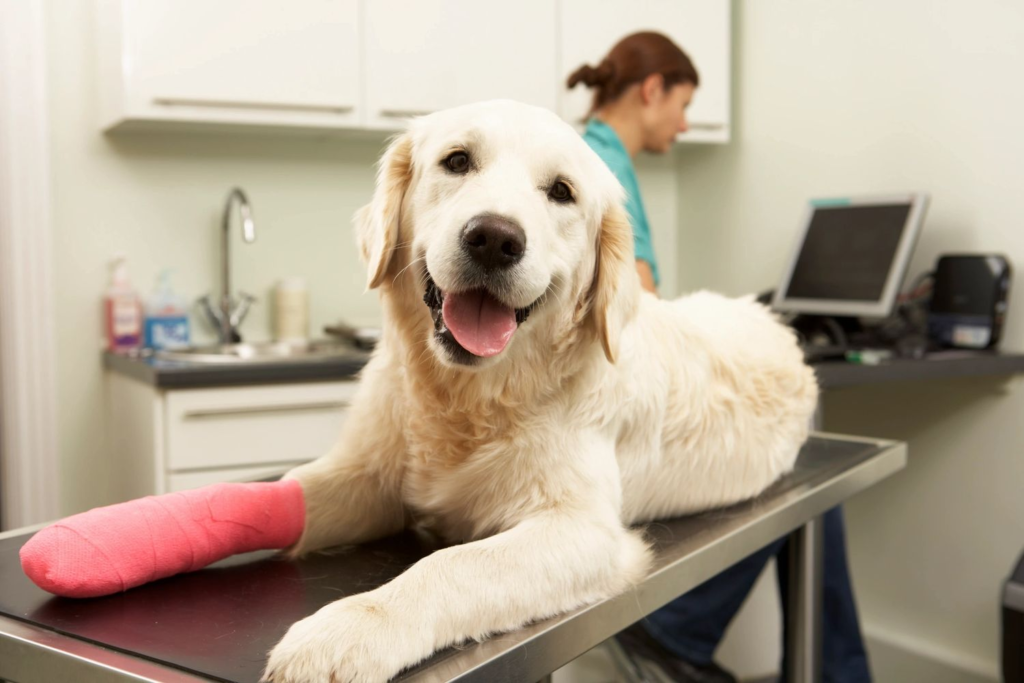
The recovery period is where most owners feel least prepared, and it is where clear expectations make the biggest difference to how smoothly things go at home.
What does normal recovery look like for this procedure?
Ask specifically about the first 24 hours, the first week, and the full recovery timeline. What level of lethargy is expected? When should your dog be eating normally? When can they resume normal activity? A vague answer like they should be back to normal in a week is less useful than a specific day-by-day picture of what to expect.
What signs should I watch for that would mean I need to call?
This is one of the most important questions on the list. Knowing the difference between normal post-surgical changes and signs of a complication is what determines whether owners catch problems early or miss them until they escalate. Specific signs worth asking about include incision appearance, appetite changes, activity level, pain signals, and any changes in urination or defecation depending on the procedure.
What pain management will my dog receive?
Modern surgical pain management uses a multimodal approach, combining different drug classes to address pain through multiple pathways rather than relying on a single medication. Ask what your dog will receive during the procedure and what goes home with them at discharge. A practice that sends a dog home after surgery with no pain medication is not meeting the current standard of care.
Questions About the Practical Details
These questions are less dramatic but equally important for making the day of surgery go smoothly.
What time should I drop off and when can I pick up?
Most surgical practices have a drop-off window in the morning and a pickup window in the afternoon. Knowing the specific times for your dog’s procedure helps you plan your day and reduces the stress of logistics on an already stressful morning.
Should my dog fast before surgery and for how long?
Fasting before anesthesia is standard practice and prevents the risk of aspiration during the procedure. The standard recommendation is no food after midnight the night before surgery, with water typically permitted until the morning of. Confirm the specific fasting instructions for your dog’s procedure since they can vary slightly.
What is included in the surgical estimate and what might be added?
A written estimate before surgery is standard practice at a reputable clinic. Ask specifically what is included, what might be added if the procedure is more complex than anticipated, and what the process is for communicating additional costs if they arise during the procedure rather than after.
FAQs
Should I get a second opinion before my dog’s surgery?
For elective procedures or complex diagnoses, a second opinion is always reasonable. A confident vet welcomes it. For urgent situations where delay carries risk, ask your vet directly whether the timeline allows for a second opinion before proceeding.
Can I stay with my dog until they go under anesthesia?
This varies by practice. Some allow owners to be present during the pre-anesthetic period and others do not. Ask specifically when you book the procedure so you know what to expect on the day.
What if my dog eats something the morning of surgery by accident?
Call the clinic immediately. Depending on what was eaten, how much, and how long before the procedure, the vet will advise whether to proceed, delay, or reschedule. Do not assume it is fine without checking first.
How do I know if my dog is in pain after surgery if they are not crying?
Dogs rarely vocalize pain in the obvious way owners expect. Signs of post-surgical pain include reluctance to move, guarding the incision site, changes in posture, reduced appetite beyond the first 24 hours, panting at rest, and behavioral changes like hiding or irritability. If something feels off, call the clinic.
Is it normal for my dog to be very quiet after surgery?
Yes, for the first 24 hours. Anesthesia takes time to fully clear the system and most dogs are subdued for the rest of the day after a procedure. Persistent lethargy beyond 48 hours or a dog who is not returning to their normal self warrants a call to the vet.
The Right Questions Make Every Surgical Experience Better
Surgery is stressful for dog owners regardless of how routine the procedure is. The owners who come through it most calmly are almost always the ones who asked their questions before the day of surgery rather than standing in the parking lot afterward trying to remember what the discharge instructions said.
Every question on this list is worth asking. A surgical team worth trusting will answer all of them clearly and without making you feel like you are taking too much of their time. That willingness to communicate is itself one of the best signals that you have found the right practice for your dog.